
Case Studies
Water Takes
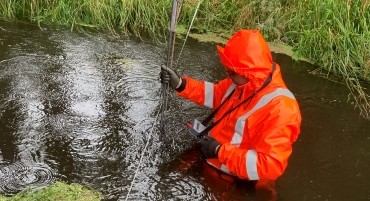
How will water loss affect stream life? It's an easy question to ask, but assessing the impact of water loss from waterways is complex, requires expensive equipment, ecological knowledge, and an understanding of hydraulic principals.
Aquatic Ecology is well-qualified to assess the impact of water takes (abstraction) for farmers, local authorities, and other clients. We carry accurate flow-gauging gear, and can provide farmers with an accurate flow estimate on the spot.
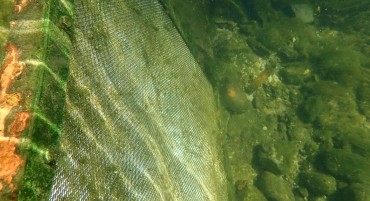
Aquatic Ecology has extensive experience in ecological assessments for irrigation takes, including field measurements of flow velocity at fish screens, and impact assessments on unconventional or unique intake structures. We can determine fish screen efficacy and entrainment impacts for all intake types, including cylindrical screens, flat mesh screens, and gallery takes.
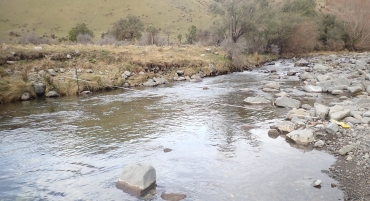
Aquatic Ecology can also assess the downstream effects of a proposed surface water take. For example, we conducted a SEFA flow analysis on a water supply take for Timaru, in South Canterbury, demonstrating the effects of flow variation on habitat availability for fish and macroinvertebrates in the downstream catchment.
Subdivisions
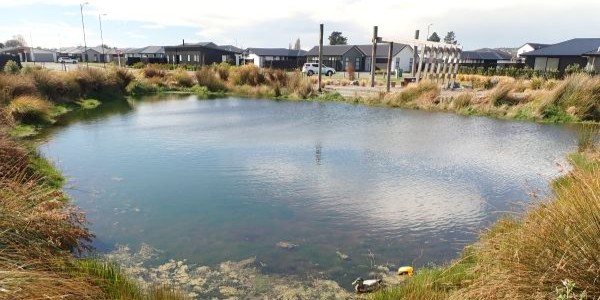
Aquatic Ecology has undertaken ecological assessment and AEE preparation for many residential subdivisions in the wider Christchurch Area. These include Clearwater, Oxford Park, Broadfield Estates, Prestons Estate, Spring Grove, Longhurst, Liffey Springs, and Bellgrove.
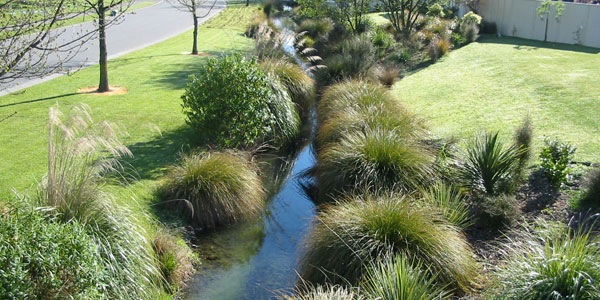
Within residential subdivision consenting, Aquatic Ecology has been consulted regarding effects of waterway diversion or realignments (both temporary and permanent), stormwater and construction water discharge, and habitat remediation or mitigation works.
Ecological Monitoring
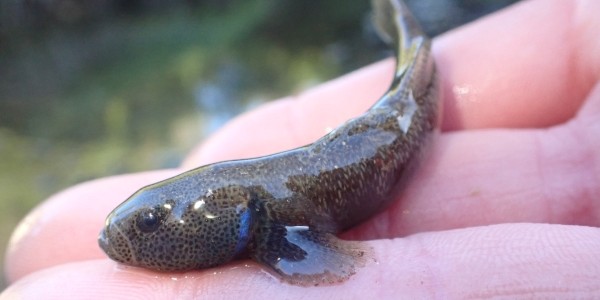
Ecological monitoring requires consistent and replicable methodologies for the surveying of fish and macroinvertebrate communities. Aquatic Ecology has extensive experience in ecological monitoring for surface water take and discharge consents. For example, we have periodically assessed the long-term impacts of Barnes Dam, Picton, on the downstream catchment since 2018.

Aquatic Ecology also has experience in monitoring of water quality, especially in relation to stormwater discharges. For example, water samples were collected seasonally during first-flush rainfall events in the Waimakariri District. Following the collection of samples, Aquatic Ecology can provide a detailed analysis of laboratory results.
Waterway Realignments

The realignment of streams is a common part of residential development works, and can be an ecologically complicated process. Aquatic Ecology has been involved in many realignments and can provide waterway design advice, and undertake onsite fieldwork.
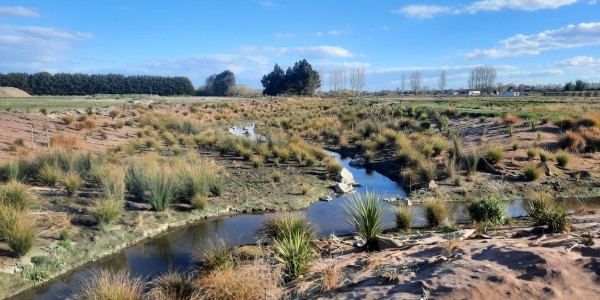
Notable waterway realignments in which Aquatic Ecology has consulted include Horners Drain (Prestons Grove, pictured above), Days Drain (Meadowlands), and Snellings Drain (Elmbridge Mews).
Fish Passage
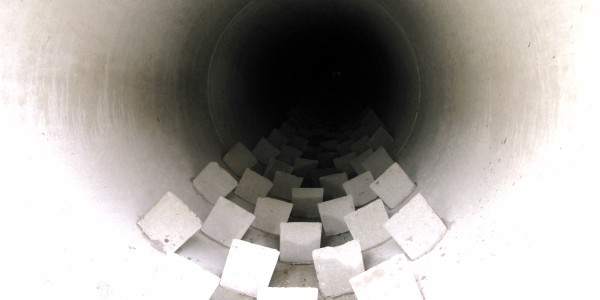
Aquatic Ecology has assisted engineers with the design of a fish friendly culvert (above). The culvert allows water to drain to the sea when its water level is high, while at the same time allowing fish to migrate to and from the sea.
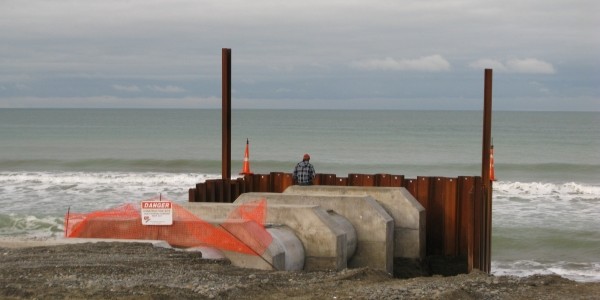
Our solution was to place wedge-shaped flow baffles within the pipe. These produce areas of low water velocity in the pipe, and the migrating fish are able to rest behind those, moving upstream in a zig-zag fashion. The baffles are shown in the top photo to the right.
The above photo shows the outlet of the pipe, with Pegasus Bay in the background.
Development and discovery of inanga (whitebait) spawning habitat
Aquatic Ecology has undertaken research into factors affecting the success of trout ova development in streams which have a range of habitat quality. This work has been funded by Fish and Game Councils and Environment Canterbury.
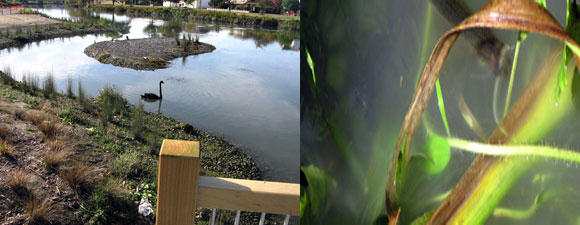
Unfortunately this habitat has been disrupted by earthquakes, but will be remediated in the future. On the far left (above) is the completed development (pre-earthquake). Aquatic Ecology has also undertaken inanga spawning surveys in the Greater Wellington Region since 2001, with the latest survey in 2019.

Inanga spawn at the base of grasses and herbs (see photos above) which are only submerged during high spring tides, near the saltwater-freshwater interface. After spawning, the vegetation and associated eggs are above the water line for about a month, before a subsequent spring tide causes them to hatch. The suitable reach of a river is limited in extent. In the Avon River, the extent is being reduced by invasive plants such as yellow flag iris. To help alleviate this, Christchurch City Council established a new spawning site at the mouth of Corsers Stream, with the design input from Aquatic Ecology.
Earthquake Remediation and Bridge Works
Aquatic Ecology routinely get involved in the consenting of bridgeworks by engineering companies, providing advice on the timing of construction to minimise the impact on instream life. This may involve assessing the resident ecology, and selecting a level of mitigation appropriate for that particular site. This has, at times, also involved the transfer of fish and invertebrates into upstream areas away from noise, vibration, and suspended sediment.
Bridge sites include Tram Road Bridge (Kaiapoi River), Aidanfield Drive Bridge (Heathcote River), Marshland Road Bridge, and Main North Road Bridge (Styx River). Aquatic Ecology has also worked on a number of small bridges on Banks Peninsula.
Following the Christchurch earthquake, Aquatic Ecology has been involved in the remediation and construction of many works that have required consideration of the aquatic environment. Such projects include the Town Hall, sewer lines and river terraces, including Canterbury Earthquake Memorial which borders the Avon River.
Stream Re-alignments
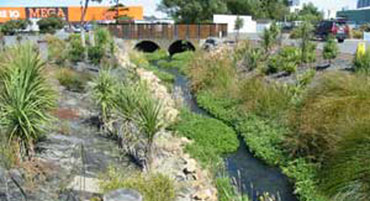
The re-alignment of streams is becoming increasingly common and can be an ecologically complicated process. Aquatic Ecology has been involved in many re-alignments and can provide advice as well as undertake onsite fieldwork. Pictured (left) is a re-aligned section of South Brook Stream, Rangiora.